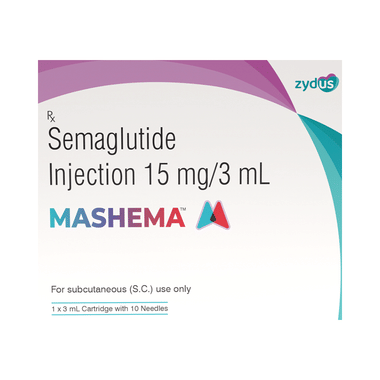

 Limited Stock
-
Livarise Injection (3ml Cartridge +10 Needles) (Rs.8749)
Composition: Semaglutide (5mg/ml)
All Details About Mashema Injection (3ml Cartridge +10 Needles)
Find out detailed description, uses, directions of use, side effects, warnings and precautions, frequently asked questions about Mashema Injection (3ml Cartridge +10 Needles)
Description:
Mashema Injection (3ml Cartridge +10 Needles) is a prescription medicine that belongs to a class called GLP-1 receptor agonists. It works in a way similar to a natural hormone in the body that helps manage hunger, digestion, and blood sugar. It works best when combined with healthy eating habits and regular physical activity.Mashema Injection (3ml Cartridge +10 Needles) is used along with a reduced-calorie diet and increased physical activity to help lower the risk of major heart-related events, such as heart attack, stroke, or cardiovascular death, in adults who have established heart disease and also have obesity or overweight. It is also prescribed for long-term weight management in adults and adolescents aged 12 years and older with obesity, and in adults with overweight who have a weight-related health condition. In addition, Mashema Injection (3ml Cartridge +10 Needles) is used to treat noncirrhotic nonalcoholic steatohepatitis (NASH) in adults who have moderate to advanced liver scarring.
Mashema Injection (3ml Cartridge +10 Needles) is administered as a once-weekly injection. It is generally injected under the skin in your abdomen, thigh, or upper arm. Get the injection on the same day each week, at a similar time, to maintain consistent levels in your body. Along with the treatment, maintain a healthy diet and exercise regularly for maximum benefits.
The most common side effects of Mashema Injection (3ml Cartridge +10 Needles) include nausea, vomiting, diarrhea, stomach pain, constipation, and headache. These symptoms often occur during the initial stage; however, they usually improve over time as your body adjusts to the medication. Eating smaller meals or avoiding heavy, fried foods may help ease symptoms like nausea or an upset stomach. If you experience severe or persistent side effects, consult your doctor for advice.
Earlier starting Mashema Injection (3ml Cartridge +10 Needles), inform your doctor about any medical conditions you have, particularly a history of pancreatitis, eye problems caused by diabetes (diabetic retinopathy), thyroid cancer, or severe gastrointestinal problems. This medicine is not recommended for individuals with a personal or family history of medullary thyroid carcinoma or those with multiple endocrine neoplasia syndrome type 2 (MEN 2).
Increaseitionally, discuss with your doctor if you are on medications for type 2 diabetes, such as insulin or sulfonylureas; combining Mashema Injection (3ml Cartridge +10 Needles) with these medications can increase the risk of low blood sugar levels (hypoglycemia). Your doctor may need to adjust your medicine dosage to ensure safe use.
Uses:
- Supervisement of Obesity
- Risk Reduction of Heart disease
Directions For Use:
Your doctor or nurse will give you this medicine. You or your care giver may be taught on how to use this medicine at home.Side Effects:
Most side effects do not require any medical attention and disappear as your body adjusts to the medicine. Consult your doctor if they persist or if you’re worried about themOrdinary side effects of Mashema
- Indigestion
- Gastroenteritis
- Nasopharyngitis (inflammation of the throat and nasal passages)
- Stomach pain
- Abdominal pain
- Diarrhea
- Decreased appetite
- Vomiting
- Constipation
- Nausea
Warning & Precautions:
However, some people may experience dizziness during dose escalation. Do not drive if you experience dizziness.
FAQs:
How often do I need to take Mashema Injection (3ml Cartridge +10 Needles)?
Does Mashema Injection (3ml Cartridge +10 Needles) cause low blood sugar (hypoglycemia)?
Are there any serious risks associated with Mashema Injection (3ml Cartridge +10 Needles)?
What precautions should I take while using Mashema Injection (3ml Cartridge +10 Needles)?
How should I store Mashema Injection (3ml Cartridge +10 Needles)?
Does Mashema Injection (3ml Cartridge +10 Needles) affect eye health?
What is Mashema Injection (3ml Cartridge +10 Needles)?
Can I take Mashema Injection (3ml Cartridge +10 Needles) with other diabetes medications?
Are there any serious side effects associated with Mashema Injection (3ml Cartridge +10 Needles)?
Who should not take Mashema Injection (3ml Cartridge +10 Needles)?
Can Mashema Injection (3ml Cartridge +10 Needles) help with weight loss?
Can pregnant or breastfeeding women take Mashema Injection (3ml Cartridge +10 Needles)?
Is there a risk of hypoglycemia with Mashema Injection (3ml Cartridge +10 Needles)?
What should I do if I experience side effects while taking Mashema Injection (3ml Cartridge +10 Needles)?
Written by:
Dr. Lokanish
M.B.B.S.
Reviewed by:
Dr. Sureshbabu Yadav
M.B.B.S., DIP.DIAB, F.R.S.H
Disclaimer:
Getomeds primary intention is to ensure that its consumers get information that is reviewed by experts, accurate, and trustworthy. The information and contents of this website are for informational purposes only. They are not intended to be a substitute for professional medical advice, diagnosis, or treatment. Please seek the advice of your doctor and discuss all of your concerns about any disease or medication. Do not disregard or postpone seeking professional medical advice because of something you read on Getomeds. Our mission is to support, not replace, the doctor-patient relationship.