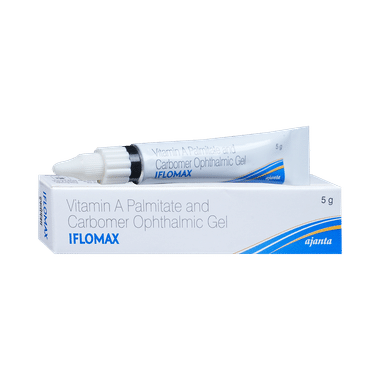
All Details About Iflomax Ophthalmic Ophthalmic Gel
Find out detailed description, uses, directions of use, side effects, warnings and precautions, frequently asked questions about Iflomax Ophthalmic Ophthalmic Gel
Description:
Iflomax Ophthalmic Ophthalmic Gel is a medicine used to relieve and manage dry eyes. It helps restore moisture to the surface of the eyes and provides long-lasting lubrication. It is especially useful for people who experience dry eyes due to environmental factors, contact lens use, or certain medical conditions.To get the best results, use Iflomax Ophthalmic Ophthalmic Gel exactly as prescribed by your doctor. Make sure your hands are clean before applying the medicine. Retaining your eyes protected from wind, dust, and prolonged screen exposure can also help improve symptoms and support the effects of the treatment.
There is limited data on the common side effects of Iflomax Ophthalmic Ophthalmic Gel. However, some may experience mild and temporary side effects like blurred vision immediately after application, eye irritation, or a burning sensation. These effects usually go away on their own. If the symptoms persist or worsen, or if you experience any signs of an allergic reaction such as redness, swelling, or itching, consult your doctor promptly.
Earlier using Iflomax Ophthalmic Ophthalmic Gel, let your doctor know if you are using other eye medications or have a history of eye infections or allergies. Avoid using contact lenses immediately after applying the medicine; if needed, wait at least 15 minutes before reinserting them. Do not touch or rub your eyes after applying it, and avoid driving or operating machines right after use if you experience temporary blurred vision.
Uses:
Directions For Use:
This medicine is for external use only. Employ it in the dose and duration as advised by your doctor. Check the label for directions before use. Hold the tube close to the eye without touching it. Gently squeeze the tube and place the medicine inside the lower eyelid.Side Effects:
Most side effects do not require any medical attention and disappear as your body adjusts to the medicine. Consult your doctor if they persist or if you’re worried about themOrdinary side effects of Iflomax
- Limited data available
Warning & Precautions:
FAQs:
What is Iflomax Ophthalmic Ophthalmic Gel used for?
How do I use Iflomax Ophthalmic Ophthalmic Gel?
Can I use Iflomax Ophthalmic Ophthalmic Gel with contact lenses?
Is it safe to use Iflomax Ophthalmic Ophthalmic Gel daily?
How should I store Iflomax Ophthalmic Ophthalmic Gel?
Written by:
Dr. Lokanish
M.B.B.S.
Reviewed by:
Dr. Sureshbabu Yadav
M.B.B.S., DIP.DIAB, F.R.S.H
Disclaimer:
Getomeds primary intention is to ensure that its consumers get information that is reviewed by experts, accurate, and trustworthy. The information and contents of this website are for informational purposes only. They are not intended to be a substitute for professional medical advice, diagnosis, or treatment. Please seek the advice of your doctor and discuss all of your concerns about any disease or medication. Do not disregard or postpone seeking professional medical advice because of something you read on Getomeds. Our mission is to support, not replace, the doctor-patient relationship.