
 Limited Stock
-
Hysol Eye Drop (Rs.42.19)
Composition: Phenyl Mercuric Nitrate (0.001% w/v) + Sodium Chloride (5% w/v)
-
Hypersol Ophthalmic Solution (Rs.98.25)
Composition: Phenyl Mercuric Nitrate (0.001% w/v) + Sodium Chloride (5% w/v)
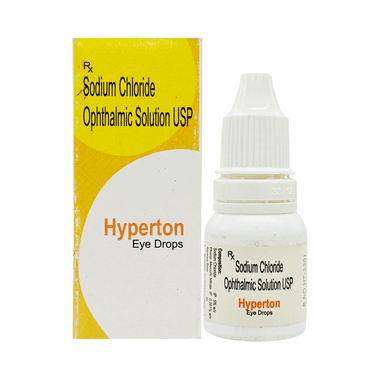
All Details About Hyperton Eye Drop
Find out detailed description, uses, directions of use, side effects, warnings and precautions, frequently asked questions about Hyperton Eye Drop
Description:
Hyperton Eye Drop is a prescription medicine used in the treatment of eye injuries. It draws out water from the swollen cornea. This way it helps in the rapid healing of an injury.Hyperton Eye Drop should be used in the dose and duration as advised by the doctor. Wash your hands before using this medicine. Check the label thoroughly for directions before use. Wash your hands before using this medicine. Apply only on the affected eye.
Do not use this medicine more than the recommended dose. This medicine is generally safe to use but sometimes it may cause side effects such as irritation, itching, redness, or burning sensation in the eyes. If these side effects persist for a longer duration, consult your doctor.
Uses:
Directions For Use:
This medicine is for external use only. Employ it in the dose and duration as advised by your doctor. Check the label for directions before use. Hold the dropper close to the eye without touching it. Gently squeeze the dropper and place the medicine inside the lower eyelid. Wipe off the extra liquid.Side Effects:
Most side effects do not require any medical attention and disappear as your body adjusts to the medicine. Consult your doctor if they persist or if you’re worried about themOrdinary side effects of Hyperton
- Irritation around eyes
- Burning sensation around the eyes
- Application site reactions (burning, irritation, itching and redness)
Warning & Precautions:
FAQs:
What is Hyperton Eye Drop used for?
Can Hyperton Eye Drop cause side effects?
Are there any serious side effects of Hyperton Eye Drop?
Can Hyperton Eye Drop be used by children?
Can Hyperton Eye Drop be used for viral or fungal eye infections?
Written by:
Dr. T. Sharmila Krishna
M.B.B.S., MD (Biochemistry)
Reviewed by:
Dr. Sureshbabu Yadav
M.B.B.S., DIP.DIAB, F.R.S.H
Disclaimer:
Getomeds primary intention is to ensure that its consumers get information that is reviewed by experts, accurate, and trustworthy. The information and contents of this website are for informational purposes only. They are not intended to be a substitute for professional medical advice, diagnosis, or treatment. Please seek the advice of your doctor and discuss all of your concerns about any disease or medication. Do not disregard or postpone seeking professional medical advice because of something you read on Getomeds. Our mission is to support, not replace, the doctor-patient relationship.