
 Limited Stock
-
Kindly Pleaser Topical Gel (Rs.399)
Composition: Lidocaine (2.5% w/w) + Prilocaine (2.5% w/w)
-
Funtime XT Gel (Rs.140.63)
Composition: Lidocaine (2.5% w/w) + Prilocaine (2.5% w/w)
-
Anofresh LP Cream (Rs.506.25)
Composition: Lidocaine (2.5% w/w) + Prilocaine (2.5% w/w)
-
Long Drive XT Gel (Rs.140.63)
Composition: Lidocaine (2.5% w/w) + Prilocaine (2.5% w/w)
-
Long Drive Gel (Rs.89.06)
Composition: Lidocaine (2.5% w/w) + Prilocaine (2.5% w/w)
-
Satisfaction Gel (Rs.44.18)
Composition: Lidocaine (2.5% w/w) + Prilocaine (2.5% w/w)
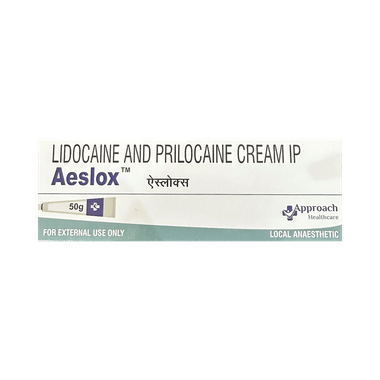
All Details About Aeslox Cream
Find out detailed description, uses, directions of use, side effects, warnings and precautions, frequently asked questions about Aeslox Cream
Description:
Aeslox Cream is a local anesthetic used to reduce pain or discomfort before minor medical procedures such as injections, venipuncture, minor dermatological or surgical procedures, and laser treatments. It is also used on genital skin during sexual activity to reduce sensitivity and delay ejaculation.Aeslox Cream should be applied only to intact skin unless otherwise directed by a doctor. A thick layer is usually applied to the area to be treated. The numbing effect depends on how long the product is left on the skin and the size of the area treated. Employ only the prescribed amount and limit the treated area.
Most side effects are mild and occur at the site of application. These may include redness, burning sensation, and swelling. They are usually short-lived and resolve on their own after the medicine is removed. If severe irritation, persistent discomfort, or signs of an allergic reaction, such as rash or swelling, develop, stop using it and consult your doctor.
Aeslox Cream should not be used in individuals with known allergy to lidocaine, prilocaine, or other similar local anesthetics. It should not be applied to open wounds, damaged skin, or near the eyes. Applying the medicine over large areas, using it for longer than recommended, or repeated applications can increase absorption into the bloodstream and raise the risk of serious side effects.
The treated area may feel numb for some time, so care should be taken to avoid injury, extreme heat, or cold until normal sensation returns. Employ during pregnancy or breastfeeding should be based on medical advice. Forever inform a doctor about other medicines being used, especially other local anesthetics, to avoid additive effects.
Uses:
- Local anesthesia (Numb tissues in a specific area)
Directions For Use:
This medicine is for external use only. Employ it in the dose and duration as advised by your doctor. Check the label for directions before use. Immaculate and dry the affected area and apply the cream. Wash your hands after applying, unless hands are the affected area.Side Effects:
Most side effects do not require any medical attention and disappear as your body adjusts to the medicine. Consult your doctor if they persist or if you’re worried about themOrdinary side effects of Aeslox
- Application site burning
- Application site redness
- Application site swelling
Warning & Precautions:
FAQs:
What is Aeslox Cream used for?
How long should I leave Aeslox Cream on before the procedure?
Can Aeslox Cream be used on broken or damaged skin?
Can Aeslox Cream cause methaemoglobinaemia?
Can Aeslox Cream be used near the eyes or ears?
How quickly does the numbness wear off after removing Aeslox Cream?
Written by:
Dr. T. Sharmila Krishna
M.B.B.S., MD (Biochemistry)
Reviewed by:
Dr. Sureshbabu Yadav
M.B.B.S., DIP.DIAB, F.R.S.H
Disclaimer:
Getomeds primary intention is to ensure that its consumers get information that is reviewed by experts, accurate, and trustworthy. The information and contents of this website are for informational purposes only. They are not intended to be a substitute for professional medical advice, diagnosis, or treatment. Please seek the advice of your doctor and discuss all of your concerns about any disease or medication. Do not disregard or postpone seeking professional medical advice because of something you read on Getomeds. Our mission is to support, not replace, the doctor-patient relationship.